New: A new, unread, unused book in perfect condition with no missing or damaged pages. See the ... Read moreabout the conditionNew: A new, unread, unused book in perfect condition with no missing or damaged pages. See the seller's listing for full details. See all condition definitionsopens in a new window or tab
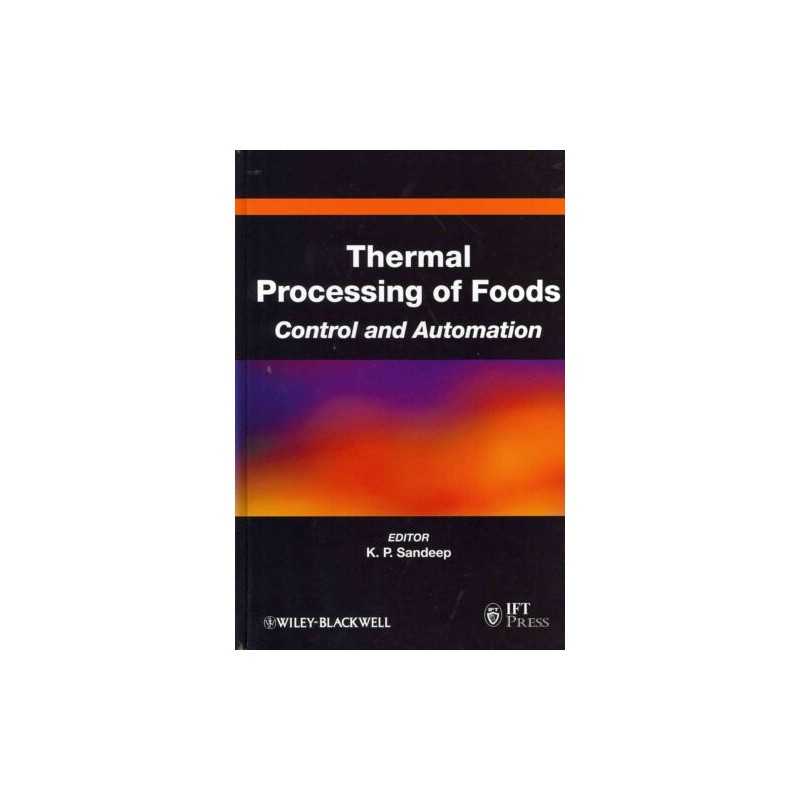
Background and Description: The food industry has utilized automated control systems for over a quarter of a century. However, the past decade has seen an increase in the use of more sophisticated software-driven on-line control systems, especially in thermal processing unit operations. As these software-driven control systems have become more complicated, the need to validate that these systems operate properly has become more important. Since September 2002, the food industry has used the National Food Processors Association (NFPA) Bulletin 43-L, Second Edition - developed by the NFPA and the National Center for Food Safety and Technology (NCFST) - as a guideline to properly validate automated control systems used on various retort systems as well as those used on aseptic processing and packaging equipment. In addition to validating new control systems, some food companies have started the more difficult task of validating legacy control systems that have been operating for a number of years on retorts or aseptic systems. Thermal Processing: Control and Automation presents an overview of various facets of thermal processing and packaging from industry, university, and government representatives. The book contains information that will be valuable not only to a person interested in understanding the fundamental aspects of thermal processing (e. g, graduate students), but also to persons involved with designing these processes (e. g. , process specialist at a food processing company) and those who are involved in process filing with USDA or FDA (different divisions of a food processing company). The book focuses on technical aspects both from a thermal processing standpoint and also from an automation and process control standpoint. Coverage includes established technologies, such as retorting, and emerging technologies, such as continuous flow microwave processing. Thermal Processing: Control and Automation covers both theoretical and application aspects of thermal processing, concluding with speculations on future trends and directions. This symposium-based book is one of only six topics selected for book treatment from the 70+ symposia presented at the 2004 IFT Annual Meeting in Las Vegas. By virtue of its content and presenters, the IFT Book Communications Committee (BCC) chose the Food Engineering Division symposium #27, Thermal processing in the 21st century: Engineering modelling and automation, as the basis for development of this high-level reference book in the IFT Press series. This book and the others developed in the same fashion will be branded with IFT Symposium Series similar to the successful ACS Symposium Series books from the American Chemical Society, published by Oxford University Press.
Good condition -A book that has been read, but is in good condition. Minimal damage to the book cover.The majority of pages are undamaged might be with some creasing or tearing, and pencil underlining of text. No writing in the margins, no missing pages.
Good condition -A book that has been read, but is in good condition. Minimal damage to the book cover.The majority of pages are undamaged might be with some creasing or tearing, and pencil underlining of text. No writing in the margins, no missing pages.
Good condition -A book that has been read, but is in good condition. Minimal damage to the book cover.The majority of pages are undamaged might be with some creasing or tearing, and pencil underlining of text. No writing in the margins, no missing pages.
Good condition -A book that has been read, but is in good condition. Minimal damage to the book cover.The majority of pages are undamaged might be with some creasing or tearing, and pencil underlining of text. No writing in the margins, no missing pages.
Very good condition -A book that has been read and does not look new, but is in excellent condition. Don't have obvious damage to the book cover. No missing or damaged pages, no creases or tears, no underlining or highlighting of text, and no writing in the margins.
Good condition -A book that has been read, but is in good condition. Minimal damage to the book cover.The majority of pages are undamaged might be with some creasing or tearing, and pencil underlining of text. No writing in the margins, no missing pages.
Good condition -A book that has been read, but is in good condition. Minimal damage to the book cover.The majority of pages are undamaged might be with some creasing or tearing, and pencil underlining of text. No writing in the margins, no missing pages.
Good condition -A book that has been read, but is in good condition. Minimal damage to the book cover.The majority of pages are undamaged might be with some creasing or tearing, and pencil underlining of text. No writing in the margins, no missing pages.
Good condition -A book that has been read, but is in good condition. Minimal damage to the book cover.The majority of pages are undamaged might be with some creasing or tearing, and pencil underlining of text. No writing in the margins, no missing pages.
Good condition -A book that has been read, but is in good condition. Minimal damage to the book cover.The majority of pages are undamaged might be with some creasing or tearing, and pencil underlining of text. No writing in the margins, no missing pages.
Good condition -A book that has been read, but is in good condition. Minimal damage to the book cover.The majority of pages are undamaged might be with some creasing or tearing, and pencil underlining of text. No writing in the margins, no missing pages.
Good condition -A book that has been read, but is in good condition. Minimal damage to the book cover.The majority of pages are undamaged might be with some creasing or tearing, and pencil underlining of text. No writing in the margins, no missing pages.
Good condition -A book that has been read, but is in good condition. Minimal damage to the book cover.The majority of pages are undamaged might be with some creasing or tearing, and pencil underlining of text. No writing in the margins, no missing pages.
Very good condition -A book that has been read and does not look new, but is in excellent condition. Don't have obvious damage to the book cover. No missing or damaged pages, no creases or tears, no underlining or highlighting of text, and no writing in the margins.
Good condition -A book that has been read, but is in good condition. Minimal damage to the book cover.The majority of pages are undamaged might be with some creasing or tearing, and pencil underlining of text. No writing in the margins, no missing pages.
Good condition -A book that has been read, but is in good condition. Minimal damage to the book cover.The majority of pages are undamaged might be with some creasing or tearing, and pencil underlining of text. No writing in the margins, no missing pages.
€17.97
New: A new, unread, unused book in perfect condition with no missing or damaged pages. See the ... Read moreabout the conditionNew: A new, unread, unused book in perfect condition with no missing or damaged pages. See the seller's listing for full details. See all condition definitionsopens in a new window or tab